Author: Thessy Emmanuel

  • GPT-4o, the Multi-Modal Wonder

    GPT-4o, the Multi-Modal Wonder

    Buckle up, technology enthusiasts! OpenAI has just released GPT-4o, a game changer. This AI genius can recognize text, photos, and even voice all at once! Imagine conversing with an AI that “gets” you regardless of how you communicate. Want to learn more about this incredible technology? Let’s slide in!


    In an amazing display of artificial intelligence skills, OpenAI released its latest creation: GPT-4o. This trademark technology breaks down challenges, understanding beyond expression, graphical, and text in real time. Fasten up as we dive into the complicated details of these groundbreaking discoveries.

    The Creation of GPT-4o


    OpenAI’s latest AI miracle, GPT-4o, has completely blown us away. This tech rockstar can break down communication boundaries by interpreting text, images, and even your voice in real time!

    The “Omni” in GPT-4o

    The “o” in GPT-4o stands for “omni,” indicating that it is an all-in-one genius. Text, chat, photos—you name it, GPT-4o can handle it. It also responds to voice commands faster than you can blink (232 milliseconds).
    GPT-4o logo

    Text, Image, and Sound: Converging into a Single Artificial Brain

    Prior to GPT-4o, things were somewhat cumbersome. Consider needing distinct tools for speech, text, and visuals. GPT-4o transforms the game! It functions like a single, super-powered brain that processes anything you put at it.

    The Ability of GPT-4o

    Awareness of Vision and Sound

    GPT-4o is more than simply a chatterbox. It is also an audio and image pro! Show it a picture of a sunset, and it will be amazed. When you play it a song, it will recognize each note. GPT-4o does more than merely process information; it also interacts with the environment.

    GPT-4o processing text, audio, and graphics

    Magic in Numerous Modes

    Ready for a game of Rock, Paper, Scissors? GPT-4o is your champion! Need a Spanish lesson on the go? Not a problem! GPT-4o can also translate languages in real time. Consider it your ultimate pocket-sized expert, prepared for everything.

    Interview with GPT-4o

    The Manual of the Robots

    Imagine a robot writing its diary, amazed by a sunrise and the sounds of the world: this is the potential of GPT-4o, a glimpse into how AI might one day experience and interact with the world around us.

    Applications in Real Life

    GPT-4o is the AI companion you never knew you needed. Whether you’re preparing for a job interview or providing excellent customer service, GPT-4o has you covered. Whether you want to learn a new language or unwind with a bedtime story, GPT-4o can modify its tone and speed to meet your requirements.

    GPT-4o responding to audio input in 232 milliseconds

    The Versatility of GPT-4o

    Multilingual Mastery

    GPT-4o is not limited by language constraints. It is capable of rapidly switching between languages and translating on the fly. Whether you’re talking in English, Mandarin, or Swahili, GPT-4o keeps up seamlessly.

    Creative Composition

    Need a poem, a short narrative, or a snappy jingle? GPT-4o is a creative companion. It creates poetry, tells stories, and composes music. Simply supply a prompt, and watch the magic happen.

    Code Whisperer

    For developers, GPT-4o is a blessing. It debugs, optimizes, and recommends elegant solutions. GPT-4o speaks Python, JavaScript, and Rust fluently.

    GPT-4o in the Wild

    Virtual Personal Assistant

    Imagine having an AI assistant who handles your calendar, prepares emails, and even tells jokes. GPT-4o integrates easily into your regular routine, making jobs simple.

    Collaborative Creativity

    Teams thrive with GPT-4o. Brainstorming sessions, design thinking workshops, and content creation—GPT-4o contributes fresh ideas and keeps the creative juices flowing.

    The Road Ahead


    We are only scraping the surface of GPT-4o’s potential; it is an AI with unlimited possibilities! Let us celebrate the power of omni-modal AI and dream big about the future.

    In Conclusion

    GPT-4o is only the beginning. As AI evolves, the opportunities are limitless. What kind of future do you envision for AI like GPT-4o? Share your ideas in the comments section below!

    Want to see GPT-4o in action? Check out some of the online demos (https://platform.openai.com/docs/models/gpt-4o, https://openai.com/index/hello-gpt-4o/, https://openai.com/index/gpt-4o-and-more-tools-to-chatgpt-free/?ref=blog.mlq.ai, https://en.wikipedia.org/wiki/GPT-4o)

  • Summary of what Happened at Google I/O 2024 Event

    Google I/O logo

    Google I/O 2024 sounds amazing! Hearing about all the latest topics they covered in Gemini Era, Google Lens, Android, AI, Gemini modes and other areas is amazing. Let’s explore the highlights and see how this technology will impact our surroundings.

    The Event Date was on May 14, Google I/O 2024 (io.google) an innovative blend of technology surprises, visionary keynotes, and community interaction. The digital curtains opened to a global audience of developers, tech enthusiasts, and curious thinkers eager to discover what Google had in store for them. Let’s look at the highlights of this exciting event.

    Keynote Talks

    Google I/O 2024 began with a series of keynote speeches that established the tone for the future of technology. let’s mention but a few: Gemini Era by Sundar Pichai, CEO of Google, Gemini models, Expanding AI Overviews in Search, Live Stream restated the company’s purpose to organize and make the world’s knowledge available to everybody. He underlined the significance of sustainability, AI, and privacy in attaining this aim. Feel free to explore more details by watching the Google I/O 2024 keynote. 🚀🌟

    Gemini Era:

    The Gemini era, which is all about AI developments, is something that Google is totally supporting. Multimodal reasoning in text, graphics, video, code, and other media is possible with Gemini. It is a “I/O” for a new era since it can be made to convert any input into any output.

    Sundar Pichai discussing the Gemini era

    Ai In Search

    With Gemini, their new AI superpower, Google Search just got a significant mental boost! You have a new way to search now. Find the greatest answers the world’s internet has available by asking lengthy, detailed questions and, for good measure, including a picture. likewise a growing number of users are enjoying this updated search interface!

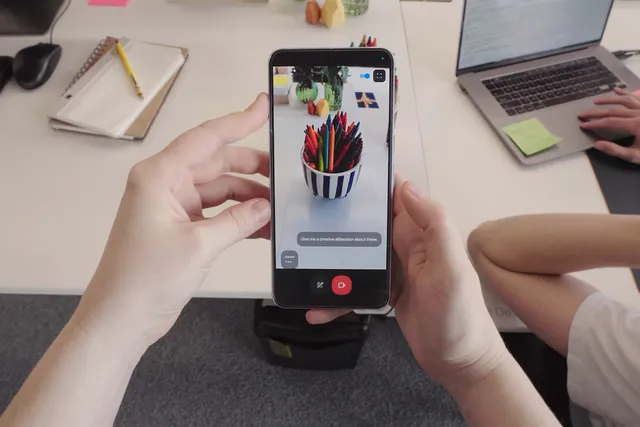
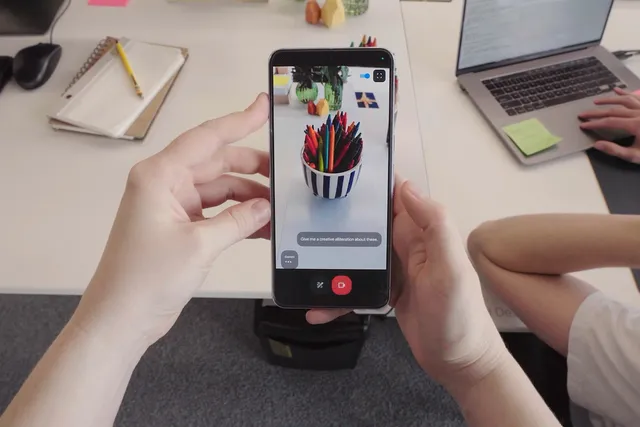
    google lens, makes image upload easier

    Product Integration

    Geminis are everywhere, so hang onto your hats! With two billion users across all of its platforms, Google just unveiled Gemini, a potent AI. By using apps on both Android and iPhone, you may interact with it directly on your phone. Furthermore, you can access the best AI models with the “Gemini Advanced” option if you’re feeling very fancy. The way we use Google’s products is going to be completely changed by this!

    Gemini Live

    Gemini Models

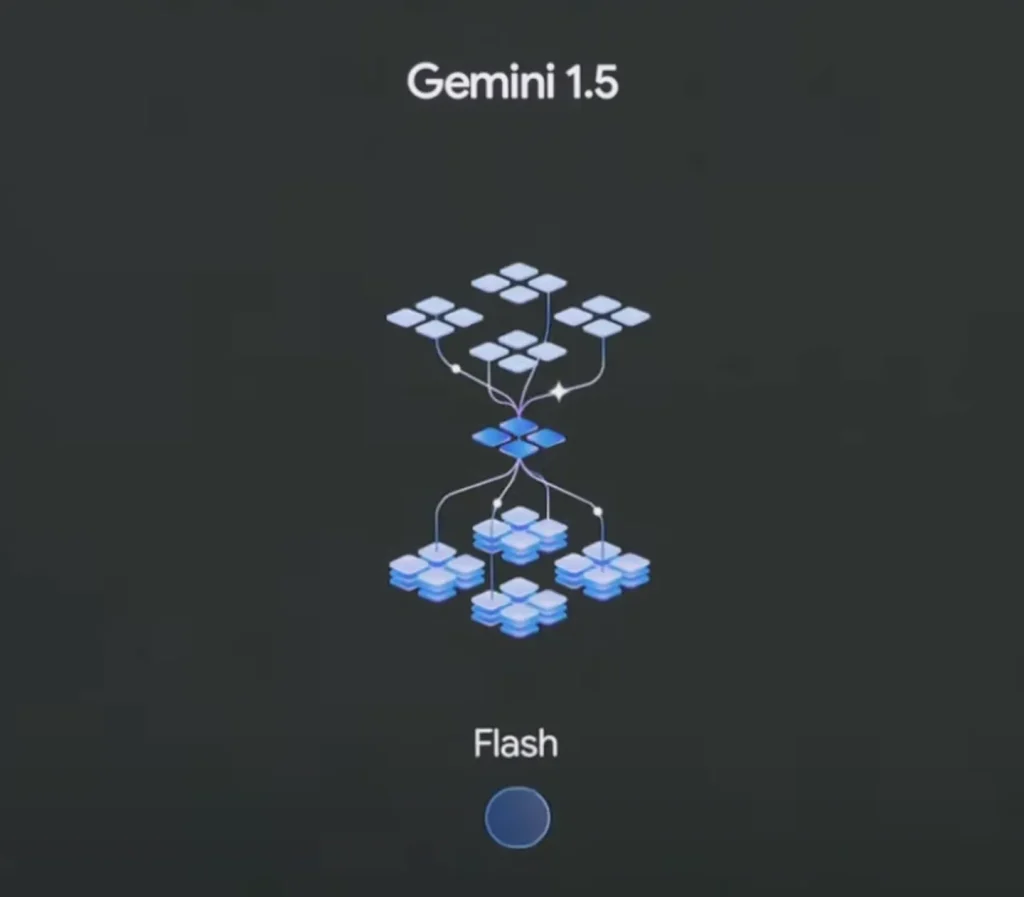
    The ground-breaking AI research Gemini from Google was revealed! With regard to many tasks, these initial models are shattering performance records. The actual deal breaker, though, is this: More than any other AI of a similar kind, Gemini 1.5 Pro can manage extremely lengthy instructions or conversations—up to one million words! The power of Gemini can be compared to having a chat with a computer that retains all of your previous exchanges going back an hour.

    Gemini Model

    Project Astra is the future of AI at Google

    With Project Astra, Google is aiming high: intelligent spacecraft, universal communication, and interplanetary cooperation—all made possible by AI and robotics! Though it’s early, Project Astra is accelerating our creativity.

    Google's next big thing? Astra - your real-time

    Google Chrome AI Assistants

    Chrome is now your best friend when multitasking! Bid farewell to tab overload. Chrome now assists you in grouping open tabs according to your current activity. Getting ready for a trip? Doing research at this time? A buying frenzy? To keep things organized, Chrome will recommend and even form groups for these chores. Are you feeling overpowered? You may let Chrome work its magic by simply selecting “Organize Similar Tabs” with a right-click on any tab.

    With the use of artificial intelligence, Chrome users now have the ability to create custom browser themes! Having a beach bum moment? Do you yearn to go on an interplanetary voyage? With only a few simple choices (think neon or watercolor), Chrome’s AI can create a unique theme for you in a matter of seconds. Coding knowledge is not required! To unleash your inner designer, simply navigate to the “Customize Chrome” menu and select “Change theme”.

    Have you been looking at a blank page due to writer’s block? Chrome has you covered! Presenting “Help Me Write,” your new AI partner for achieving success with online writing. Do you need help writing an outstanding review, a contact form message, or a fantastic forum post? With the help of this tool, you’ll be able to boldly and effectively represent yourself online. Use Chrome’s “Help Me Write” feature to start writing instead of just staring at the cursor!

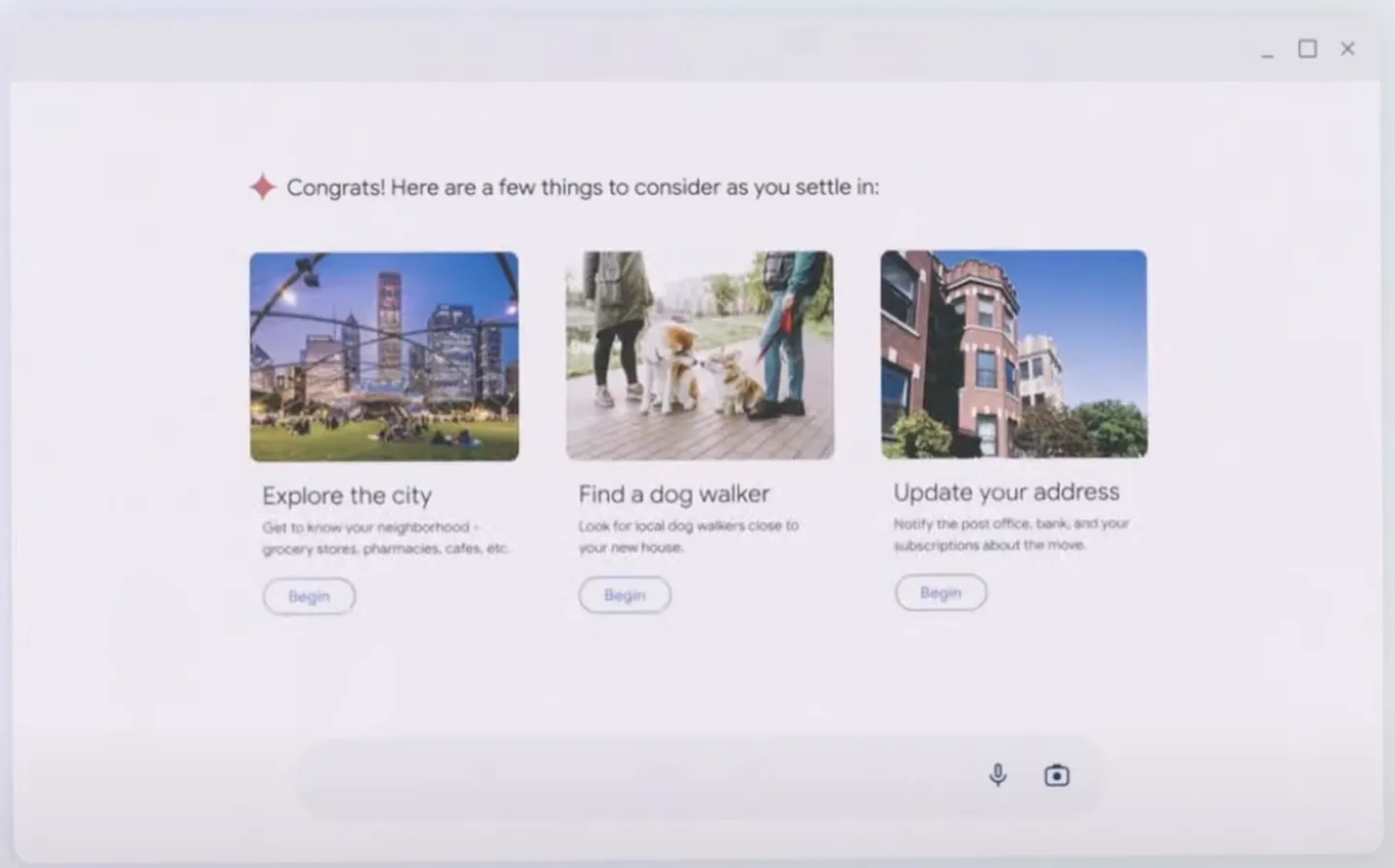
    Explore the city with the help of AI assistant

    Android Are About To Get Smarter

    Are you stuck on your homework? Not a concern! Your homework companion is now Circle to Search. As of year’s end, it can now, on 200 million devices, solve physics and arithmetic problems step-by-step!

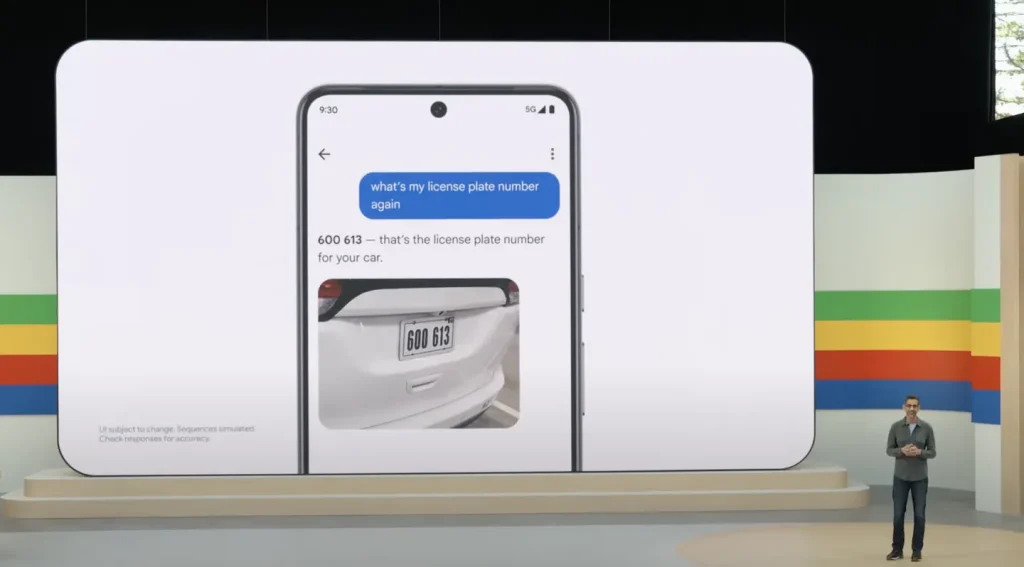
    Your phone is mind-reading! Gemini will soon be able to interpret what’s on your screen, displaying images for texts and providing answers to inquiries about PDFs and videos. In a few months, coming to phones!

    A mental boost is coming to Pixel phones! With the release of Gemini Nano later this year, your phone will be able to comprehend text, sounds, and even spoken conversations without the need for an internet connection.

    Android device are getting smarter

    Conclusion: A Future That We Can Shape Together

    As the virtual applause resonated, Google I/O 2024 reminded us that creativity knows no bounds. From quantum leaps to personalized interfaces, we’re shaping a future in which technology supports humans. So let us code, communicate, and dream big—the greatest is yet to come.

    Explore more Google I/O 2024 highlights and join the conversation in the comments section below!

  • Technology Tears Down Walls: How Innovation is Breaking Barriers to Accessibility

    Technology Tears Down Walls: How Innovation is Breaking Barriers to Accessibility

    Technology has become an unavoidable force in our lives, influencing our employment, relationships, and even how we view the world. However, for people with disabilities, obtaining and using modern technology can be like climbing a mountain. Fortunately, the technology industry is recognizing the value of accessibility, and a new wave of breakthroughs is breaking down barriers and opening doors for people of all abilities.

    This article looks at how innovation is breaking down accessibility barriers in a variety of technology domains. From the rise of universal design to the possibility of AI, we’ll look at how technology is empowering individuals with disabilities and creating a more welcoming environment.


    From Niche Tools To Flexible Design.

    For years, people with disabilities have depended on assistive technologies such as monitor readers and Language displays. However, these instruments were frequently regarded as independent entities from modern technology. The tide is turning as businesses embrace a flexible design principles, seeing accessibility as not only a moral responsibility but also a sound financial decision.

    Flexible design aims to make products and services useful by everyone, regardless of ability. It recognizes all aspects of the human experience, including disability, and strives for technology to reflect this. Companies like Apple, Google, and Microsoft are leading the way by incorporating accessibility features directly into their products, making technology more user-friendly for everyone.

    A disable woman accessing our laptop
    Photo by Marcus Aurelius: https://www.pexels.com/photo/woman-smiling-while-using-laptop-4064173/


    The Growing Impact of Artificial Intelligence (AI)

    Artificial intelligence (AI) is transforming the way we engage with technology, and its potential for accessibility is huge. AI-powered features like as speech-to-text, image recognition, and natural language processing have already had a substantial influence. AI chatbots make customer service more accessible to persons with disabilities, and picture recognition helps the blind and visually impaired navigate their surroundings.


    Virtual and Augmented Reality: New Worlds to Discover


    Virtual and augmented reality (VR/AR) technology are also lowering obstacles for people with disabilities. VR/AR provides interesting opportunities for socialization, education, and training, as well as the exploration of virtual surroundings by those with physical disabilities. VR experiences can be applied for therapy and treatment, while AR can assist people with autism to improve social skills in a safe and controlled environment.

    A person wearing a virtual reality headset is experiencing a virtual world.
    Photo by Michelangelo Buonarroti: https://www.pexels.com/photo/woman-in-white-suit-wearing-black-vr-glasses-8728223/

    Wearables and the Internet of Things (IoT): Creating a Web of Support

    Wearable technology and the Internet of Things (IoT) are playing critical roles in accessibility. Fitness trackers and smartwatches allow persons with disabilities to take charge of their health and well-being. Individuals may manage their living areas more easily with IoT devices such as smart home automation systems, which promotes independence.

    Wearable tech and smart home devices
    Wearable technologies and smart home devices

    Breaking Down Barriers: The Impact of Accessibility

    These developments are making a significant difference in the lives of persons with disabilities by:

    Expanding Accessibility: Providing access to education, technology, and job possibilities.

    Improving User Interface: Making technology simpler to use and interact with.

    Increasing independence: Giving persons with disabilities more influence over their life.

    Promoting Participation: Working for an open-minded society in which everyone has equal access to opportunities and technologies.

    The Future of Accessibility: A Call for Continuous Innovation.

    The technology sector has made significant progress in adopting accessibility, and these improvements are creating new opportunities for persons with disabilities. Wearables and artificial intelligence, as well as VR/AR along with welcoming design, are transforming how people with disabilities engage with the outside world. As technology advances, accessibility must remain a major focus. We can make the world a happier and more welcoming place for everyone by encouraging innovation and removing barriers.

  • The Evolution of Online Communities and What It Means for Digital Identity

    The Evolution of Online Communities and What It Means for Digital Identity

    A person interacting in an online community
    A person interacting in an online community: Photo by Anna Shvets: https://www.pexels.com/photo/people-on-a-video-call-4226256/

    The internet has become a fundamental component of our lives, drastically changing how we connect and share information. Online communities, which were originally limited to text-based chat rooms, have transformed into vibrant, visual environments. This change has had a huge impact on how we display ourselves online–our “digital identity.”

    This essay explores into the interesting history of internet communities and their amazing impact on digital identity. We’ll discuss the obstacles and opportunities that occur as we navigate the ever-changing online environment.


    From Humble Discussion groups to Social Hubs: the Early Days

    The 1980s and 1990s saw the rise of online communities. Discussion boards and forums become gathering places for people with similar interests to interact and debate. These venues were primarily text-based, with usernames and avatars acting as our primary digital IDs. Early adopters experimented with digital identities, investigating the concept of a personal “online self.”


    The rise of social media: managing our online presence.

    The social media revolution reshaped online communities. Platforms like Facebook, Twitter, and Instagram have made online interaction more accessible, visual, and widespread. Profiles became extensions of our real-world selves, complete with personal information, images, and updates. Users’ digital identities got increasingly complex as they dealt with internet connections, privacy settings, and a blending of personal and professional boundaries.

    A lady curating an online presence

    A lady curating an online presence: Photo by George Milton: https://www.pexels.com/photo/smiling-black-woman-looking-at-mirror-while-shooting-makeup-tutorial-6953574/

    The Art of Online A person: Avatars, Privacy, and Influence


    The concept of digital identity evolved in parallel with the growth of online networks. Users adopted avatars, identities, and even transparency in order to express themselves, safeguard their privacy, or simply have fun. Online identities such as gamers, influencers, and content creators have arisen, demonstrating the adaptability of the digital self. However, this unusual independence sparked worries about online authenticity, accountability, and harassment.


    The Age of Visual Storytelling: Developing a Digital Aesthetic

    The development of visual-based platforms such as Instagram, TikTok, and YouTube has further altered digital identity. We now construct our internet presence with photographs, videos, and tales that provide insight into our lives, interests, and personalities. Visual storytelling has become an essential component of digital identity, with users using aesthetics, branding, and storylines to create their online identities.

    A boy displaying visual content creation

    A boy displaying visual content creation: Photo by Eren Li: https://www.pexels.com/photo/young-male-with-vr-goggles-and-controllers-7241513/

    Impact on Digital Identity: A Balancing Act.

    The evolution of online communities significantly changed digital identity, raising important questions:

    Authenticity: How can we secure real online connections, given the development of bots, AI, and counterfeits?

    Privacy: How do we achieve a healthy balance between privacy and the need to interact and collaborate online?

    Professionalism: How do we deal with the blurring of personal and professional boundaries in online spaces?

    Visual Identity: How can we create and maintain a consistent visual presence across all platforms?


    The Future of Digital Identity: A World of Possibility

    As online communities evolve, digital identity will become increasingly complex and advanced. Here are a few possible future trends:

    The Rise of Integrated Storytelling: Users are going to use augmented reality, virtual reality, and 3D avatars to express themselves, increasing the importance of visual material.

    Decentralised Identity: Blockchain technology and decentralized platforms have the potential to provide users more control over their digital identities while prioritizing privacy and security.

    The Liquid Self: Digital identity may become more fluid, with people assuming unique identities and online selves based on the situation.

    AI-Powered Identity Management: Artificial intelligence may play a larger role in selecting material, recommending connections, and customizing online experiences based on our digital identities.

    Conclusion: Creating a thriving online world.

    The increasing number of online communities has fundamentally altered digital identity. As we navigate this changing environment, we must prioritize digital literacy, online compassion, and responsible online behavior. By doing so, we may create online places that promote connection, creativity, and self-expression, while also preserving our digital identities and establishing a positive online culture.

  • Digital Literacy in the 21st Century: Why It Matters

    Digital Literacy in the 21st Century: Why It Matters

    In the present computerized age, innovation has turned into an essential piece of our day-to-day routines. From cell phones to workstations, and virtual entertainment to internet banking, we depend on advanced devices to impart, access data, and perform different undertakings. In any case, with the quick advancement of innovation, it’s fundamental to have the right stuff to successfully explore and use computerized stages. This is where advanced proficiency becomes an integral factor. In this article, we’ll investigate the meaning of computerized proficiency in the 21st 100 years and why it’s essential for people, networks, and social orders to flourish.


    Characterizing Computerized Proficiency


    Computerized proficiency alludes to the capacity to actually and fundamentally explore, assess, and make data utilizing advanced innovations. It envelops a scope of abilities, including:


    1. Fundamental PC abilities
    2. Web route and search strategies
    3. Computerized correspondence and cooperation devices
    4. Information investigation and translation
    5. Online wellbeing and security best practices
    6. Decisive reasoning and critical thinking


    Why Advanced Proficiency Matters


    Admittance to Data: Advanced education gives people the abilities to get to and assess tremendous measures of data, empowering them to pursue informed choices and remain informed about nearby and worldwide issues.
    Business and Schooling: In the present computerized labor force, computerized proficiency is an exceptionally sought-after expertise. It opens ways to more readily open positions, advanced education, and professional success.
    Social Incorporation: Computerized education assists span the advanced separation, guaranteeing that people from varying backgrounds have with equaling admittance to advanced assets and amazing open doors.
    Monetary Strengthening: Computerized proficiency empowers people to take part in the advanced economy, access online monetary administrations, and foster enterprising abilities.
    City Commitment: Advanced proficiency works with city commitment, empowering people to take part in web-based activism, backing, and local area building.
    Self-awareness: Computerized education upgrades self-improvement by giving admittance to internet learning assets, personal development apparatuses, and imaginative outlets.


    The Results of Computerized Lack of education


    Social Rejection: Computerized ignorance can prompt social avoidance, as people can’t get to advanced assets, administrations, and valuable open doors.
    Financial Impediment: Advanced lack of education can bring about monetary disservice, as people can’t partake in the computerized economy or access online monetary administrations.
    Restricted Admittance to Data: Advanced lack of education limits admittance to data, blocking people’s capacity to pursue informed choices and remain informed.
    Weakness to Online Dangers: Computerized lack of education builds weakness to online dangers, for example, cyberbullying, phishing, and data fraud.


    Tending to Computerized Ignorance


    Schooling and Preparing: Incorporate computerized proficiency into instruction educational plans and give preparing projects to people, all things considered.
    Local area Drives: Lay out local area-based drives, like advanced proficiency studios and online assets, to arrive at minimized gatherings.
    Government Backing: Urge state run administrations to focus on advanced proficiency and give subsidizing to computerized education projects and drives.
    Corporate Social Obligation: Urge enterprises to put resources into advanced education drives and give computerized proficiency preparing to representatives.
    In Summary
    Computerized proficiency is a basic expertise in the 21st 100 years, fundamental for people, networks, and social orders to flourish. It gives admittance to data, business amazing open doors, social consideration, monetary strengthening, metro commitment, and self-improvement. As innovation keeps on developing, it’s pivotal to address computerized ignorance and guarantee that everybody has the right stuff to really explore and use advanced stages. By focusing on computerized proficiency, we can make a more comprehensive, impartial, and associated world.

  • Optimizing Your Website for Mobile: A Comprehensive Guide

    Optimizing Your Website for Mobile: A Comprehensive Guide

    In the present computerized scene, having a versatile site is as of now not an extravagance, however a need. With more than half of worldwide site traffic coming from cell phones, it’s pivotal to guarantee that your site gives an ideal client experience to portable clients. In this article, we’ll give a thorough aide on the best way to upgrade your site for portable, covering plan, improvement, and execution viewpoints.
    Plan Contemplations
    Responsive Plan: Carry out a responsive plan that adjusts to various screen sizes and gadgets.
    Straightforward Route: Improve on your route menu to guarantee simple admittance to key pages.
    Conspicuous Suggestions to take action: Show unmistakable suggestions to take action (CTAs) to urge versatile clients to make a move.
    Enormous Tap Targets: Guarantee tap targets are enormous enough for portable clients to effortlessly tap on.
    Insignificant Substance: Focus on happy and limit mess to further develop coherence.


    Advancement Best Practices


    Portable First Turn of events: Foster your site with a portable first way to deal with guarantee a smooth versatile encounter.
    Moderate Web Applications: Think about building a Dynamic Web Application (PWA) for a local application like insight.
    Quick Page Burdens: Improve your site’s stacking pace to lessen bob rates.
    Versatile Structures: Guarantee structures are not difficult to finish up on cell phones.
    Accessibility: Guarantee your site is available on cell phones for clients with incapacities.


    Execution Improvement


    Page Speed:
    Improve your site’s stacking speed utilizing devices like Google Page Speed Bits of knowledge.
    Picture Pressure: Pack pictures to lessen document size and further develop stacking times.
    Caching: Execute reserving to diminish server demands and further develop execution.
    Content Conveyance Organizations: Utilize Content Conveyance Organizations (CDNs) to appropriate substance and diminish inertness.
    Versatile Explicit Streamlining: Improve your site explicitly for cell phones utilizing apparatuses like Google’s Versatile Test.


    Extra Tips


    Test and Repeat: Consistently test and emphasize on your portable site to guarantee ideal execution.
    Investigation and Following: Use examination instruments to follow portable client conduct and distinguish regions for development.
    Versatile Just Highlights: Consider executing portable just highlights to improve the versatile experience.
    PWA Establishment: Urge versatile clients to introduce your PWA for a local application like insight.
    Ordinary Updates: Routinely update your versatile site to guarantee similarity with new gadgets and programs.

    In Summary
    Enhancing your site for portable is urgent in the present advanced scene. By following the plan, improvement, and execution best practices framed in this article, you can guarantee an ideal versatile encounter for your clients. Make sure to constantly test and repeat on your portable site to remain in front of the opposition.

  • The Future of Cross-Platform Development with React Native

    The Future of Cross-Platform Development with React Native

    The web has changed the manner in which we live, work, and connect with one another. Nonetheless, for people with inabilities, getting to the web can be a difficult and baffling experience. As web engineers and creators, it’s our obligation to guarantee that our web applications are available to everybody, no matter what their capacities. In this article, we’ll investigate the significance of available website composition, examine the advantages, and give best practices to planning comprehensive web applications.


    Why Open Website Architecture Matters


    Balance and Consideration:
    Available website composition guarantees that everybody, incorporating people with incapacities, can access and utilize web applications similarly.
    Legitimate Consistence: Numerous nations have regulations and guidelines that require web openness, for example, the Americans with Handicaps Act (ADA) in the US.
    More extensive Crowd: Available website composition grows your crowd, as people with handicaps can now access and utilize your web application.
    Further developed Client Experience: Open website composition further develops the general client experience, as it understands a legitimate and steady construction.
    Website improvement (Web optimization): Open website architecture further develops Web optimization, as web indexes can more readily grasp the design and content of your web application.


    Best Practices for Open Website architecture


    Clear Route and Data Design: Utilize a sensible and reliable route and data engineering to assist clients with finding what they need.
    Semantic HTML: Utilize semantic HTML to characterize the construction and significance of content, making it more straightforward for screen perusers and other assistive innovations to decipher.
    High Differentiation Tones and Clear Typography: Utilize high differentiation tones and clear typography to guarantee that content is discernible for clients with visual hindrances.
    Elective Text for Pictures: Give elective text to pictures, guaranteeing that clients with visual debilitations can figure out the substance.
    Shut Inscriptions and Sound Depictions: Give shut subtitles and sound depictions for interactive media content, guaranteeing that clients with hearing disabilities can get to the substance.
    Console Route: Guarantee that web applications can be explored utilizing a console, helping clients with versatility debilitations.
    Responsive Plan: Utilize responsive plan to guarantee that web applications adjust to various gadgets and screen sizes.
    Openness Proclamations: Give availability explanations, making sense of the openness highlights and impediments of your web application.
    Standard Testing and Input: Routinely test your web application with clients with inabilities and assemble input to further develop availability.
    Nonstop Improvement: Ceaselessly further develop your web application’s availability by keeping awake to-date with the most recent openness rules and best practices.


    Extra Tips and Assets


    WCAG Rules: Keep the Internet Content Openness Rules (WCAG) 2.1, which give nitty gritty rules to available website composition.
    Availability Instruments: Use openness instruments, for example, screen perusers and variety contrast analyzers, to test and further develop your web application’s availability.
    Openness People group: Join openness networks, like the Availability Experts Relationship, to associate with specialists and remain refreshed on the most recent accepted procedures.
    Preparing and Training: Give preparing and schooling on open website composition for your group, guaranteeing that everybody knows about the significance and best practices.
    In Summary
    Planning open web applications isn’t just a moral and lawful commitment, yet it likewise further develops the general client experience and grows your crowd. By following the prescribed procedures illustrated in this article, you can make comprehensive web applications that everybody can access and utilize. Make sure to persistently improve and test your web application’s openness, and feel free to assets and direction when required.

  • Designing Accessible Web Applications: Best Practices

    Designing Accessible Web Applications: Best Practices

    The web has changed the manner in which we live, work, and connect with one another. Nonetheless, for people with inabilities, getting to the web can be a difficult and baffling experience. As web engineers and creators, it’s our obligation to guarantee that our web applications are available to everybody, no matter what their capacities. In this article, we’ll investigate the significance of available website composition, examine the advantages, and give best practices to planning comprehensive web applications.


    Why Open Website Architecture Matters


    Balance and Consideration: Available website composition guarantees that everybody, incorporating people with incapacities, can access and utilize web applications similarly.
    Legitimate Consistence: Numerous nations have regulations and guidelines that require web openness, for example, the Americans with Handicaps Act (ADA) in the US.
    More extensive Crowd: Available website composition grows your crowd, as people with handicaps can now access and utilize your web application.
    Further developed Client Experience: Open website composition further develops the general client experience, as it understands a legitimate and steady construction.
    Website improvement (Web optimization): Open website architecture further develops Web optimization, as web indexes can more readily grasp the design and content of your web application.

    Best Practices for Open Website architecture


    Clear Route and Data Design: Utilize a sensible and reliable route and data engineering to assist clients with finding what they need.
    Semantic HTML: Utilize semantic HTML to characterize the construction and significance of content, making it more straightforward for screen perusers and other assistive innovations to decipher.
    High Differentiation Tones and Clear Typography: Utilize high differentiation tones and clear typography to guarantee that content is discernible for clients with visual hindrances.
    Elective Text for Pictures: Give elective text to pictures, guaranteeing that clients with visual debilitations can figure out the substance.
    Shut Inscriptions and Sound Depictions: Give shut subtitles and sound depictions for interactive media content, guaranteeing that clients with hearing disabilities can get to the substance.
    Console Route: Guarantee that web applications can be explored utilizing a console, helping clients with versatility debilitations.
    Responsive Plan: Utilize responsive plan to guarantee that web applications adjust to various gadgets and screen sizes.
    Openness Proclamations: Give availability explanations, making sense of the openness highlights and impediments of your web application.
    Standard Testing and Input: Routinely test your web application with clients with inabilities and assemble input to further develop availability.
    Nonstop Improvement: Ceaselessly further develop your web application’s availability by keeping awake to-date with the most recent openness rules and best practices.


    Extra Tips and Assets


    WCAG Rules: Keep the Internet Content Openness Rules (WCAG) 2.1, which give nitty gritty rules to available website composition.
    Availability Instruments: Use openness instruments, for example, screen perusers and variety contrast analyzers, to test and further develop your web application’s availability.
    Openness People group: Join openness networks, like the Availability Experts Relationship, to associate with specialists and remain refreshed on the most recent accepted procedures.
    Preparing and Training: Give preparing and schooling on open website composition for your group, guaranteeing that everybody knows about the significance and best practices.
    In Summary
    Planning open web applications isn’t just a moral and lawful commitment, yet it likewise further develops the general client experience and grows your crowd. By following the prescribed procedures illustrated in this article, you can make comprehensive web applications that everybody can access and utilize. Make sure to persistently improve and test your web application’s openness, and feel free to assets and direction when required.

  • The Importance of Monitoring in DevOps Success

    The Importance of Monitoring in DevOps Success

    Software development and IT operations are combined in a set of principles called DevOps, which has completely changed how teams produce software. However, it is now more important than ever to ensure the performance and reliability of applications due to the increased speed and frequency of deployments. At this point, monitoring is essential to the success of DevOps. In this post, we’ll examine the value of monitoring in DevOps, as well as its advantages and ways to support teams in reaching their objectives.


    Why DevOps Monitoring Is Important


    Quicker Identification and Fixing: Teams can decrease downtime and improve mean time to recovery (MTTR) by swiftly identifying and resolving issues through monitoring.
    Monitoring aids teams in improving application performance, which guarantees a more favorable user experience and higher levels of customer satisfaction.
    Enhanced Security: Teams can prevent attacks by taking proactive measures when monitoring identifies security breaches and vulnerabilities.
    Better Decision Making: By offering insightful information, monitoring helps companies optimize their DevOps pipeline and make data-driven decisions.
    Monitoring provides comprehensive logs and traceability, which assists teams in meeting compliance standards and passing audits.


    DevOps Monitoring’s Advantages


    Decreased Downtime: Reducing downtime and increasing MTTR, monitoring enables teams to promptly detect and address problems.
    Enhanced Cooperation: Through the sharing of insights and cooperative problem-solving, monitoring leads to more efficient teamwork.
    Enhanced Productivity: By automating several chores, monitoring allows teams to concentrate on more strategic endeavors.
    Improved User Experience: Monitoring guarantees that programs operate at peak efficiency, improving user pleasure.
    Competitive advantage: Monitoring keeps teams one step ahead of the competition by promptly detecting and resolving problems and guaranteeing that their apps are always accessible and operating at peak efficiency.


    How Observation Helps DevOps Objectives


    Monitoring makes sure that apps run as efficiently as possible throughout continuous integration and delivery.
    Constant input: By gathering insightful input from monitoring, teams may enhance the efficiency of their DevOps pipeline and boost application performance.
    Continuous Improvement: By identifying problem areas through monitoring, teams can enhance the efficiency of their DevOps pipeline and boost application performance.
    Monitoring facilitates improved teamwork and communication by allowing teams to share insights and work together to resolve problems.
    Automation: By automating several operations, monitoring frees up personnel to concentrate on more strategically important duties.


    The Finest Methods for DevOps Monitoring


    Establish definite objectives: Set precise goals and objectives for monitoring and make sure they line up with corporate goals.
    Select the Appropriate Equipment: Choose monitoring solutions that work for your team and include them into your pipeline for DevOps.
    Observe Everything Keep an eye on the user experience, security, and performance of your program.
    Automate Notifications and Alerts: Make sure teams are promptly notified of concerns by automating notifications and alerts.
    Review and refine continuously: Maintain the efficacy and efficiency of monitoring procedures by reviewing and improving them on a regular basis.
    In conclusion
    DevOps teams need monitoring to be successful because it helps them find and fix problems faster, optimize application performance, and maintain security and compliance. Teams can streamline their monitoring procedures and accomplish their objectives by realizing the value of monitoring, as well as how it complements DevOps objectives. To guarantee the success of DevOps, never forget to set clear objectives, select the appropriate tools, keep an eye on everything, automate alerts and notifications, and regularly evaluate and improve monitoring procedures.

  • Implementing Effective CI/CD Workflows

    Implementing Effective CI/CD Workflows

    In the present speedy programming advancement scene, executing compelling Consistent Mix and Persistent Arrangement (CI/Disc) work processes is urgent for speeding up opportunity to-showcase, further developing item quality, and decreasing expenses. CI/Cd work processes computerize the form, test, and arrangement process, empowering groups to convey programming refreshes rapidly and dependably. In this article, we’ll investigate the critical parts of CI/Album work processes, best practices for execution, and techniques for enhancing their viability.


    Key Parts of CI/Album Work processes


    Source Control: Rendition control frameworks like Git oversee code changes and empower cooperation.
    Nonstop Coordination: Computerized fabricate and testing processes guarantee code quality and distinguish mistakes early.
    Consistent Sending: Computerized sending of code changes to creation conditions.
    Persistent Observing: Ongoing observing and input circles guarantee application execution and quality.


    Best Practices for Executing CI/Album Work processes


    Begin Little: Start with a restricted degree and step by step grow to different undertakings and groups.
    Characterize Clear Objectives: Lay out quantifiable targets, for example, diminishing arrangement time or further developing test inclusion.
    Pick the Right Apparatuses: Select devices that incorporate well and address your group’s issues, like Jenkins, GitLab CI/Cd, or CircleCI.
    Mechanize Everything: Robotize all phases of the CI/Disc pipeline, including testing, organization, and observing.
    Screen and Dissect: Use information and investigation to recognize bottlenecks and improve the work process.
    Cultivate Coordinated effort: Urge cross-useful groups to cooperate and share information.
    Persistently Move along: Consistently audit and refine the CI/Cd work process to address new difficulties and open doors.


    Methodologies for Improving CI/Cd Work processes


    Execute Consistent Testing: Incorporate computerized testing into the CI/Disc pipeline to guarantee code quality.
    Use Foundation as Code: Oversee framework setup and sending with devices like Terraform or Ansible.
    Influence Containerization: Use containerization with Docker or Kubernetes to smooth out application arrangement.
    Embrace DevOps Culture: Cultivate a culture of joint effort, trial and error, and nonstop learning.
    Screen and Secure: Carry out safety efforts and observing devices to guarantee application dependability and security.


    True Instances of Powerful CI/Album Work processes


    Amazon:
    Mechanizes organization of code changes to creation each 11.7 seconds.
    Google: Executes a “discharge early, discharge frequently” approach, sending code changes on different occasions a day.
    Netflix: Utilizes a “tumult designing” approach, purposefully acquainting disappointments with test framework versatility.

    In Summary


    Carrying out powerful CI/Cd work processes requires cautious preparation, apparatus determination, and social movements. By beginning little, characterizing clear objectives, and computerizing everything, groups can speed up programming conveyance, work on quality, and diminish costs. Make sure to consistently screen and investigate the work process, cultivate coordinated effort, and embrace DevOps culture to streamline the viability of your CI/Disc work processes.