Tag: AI

  • HOW TO START A CAREER IN AI AND MACHINE LEARNING

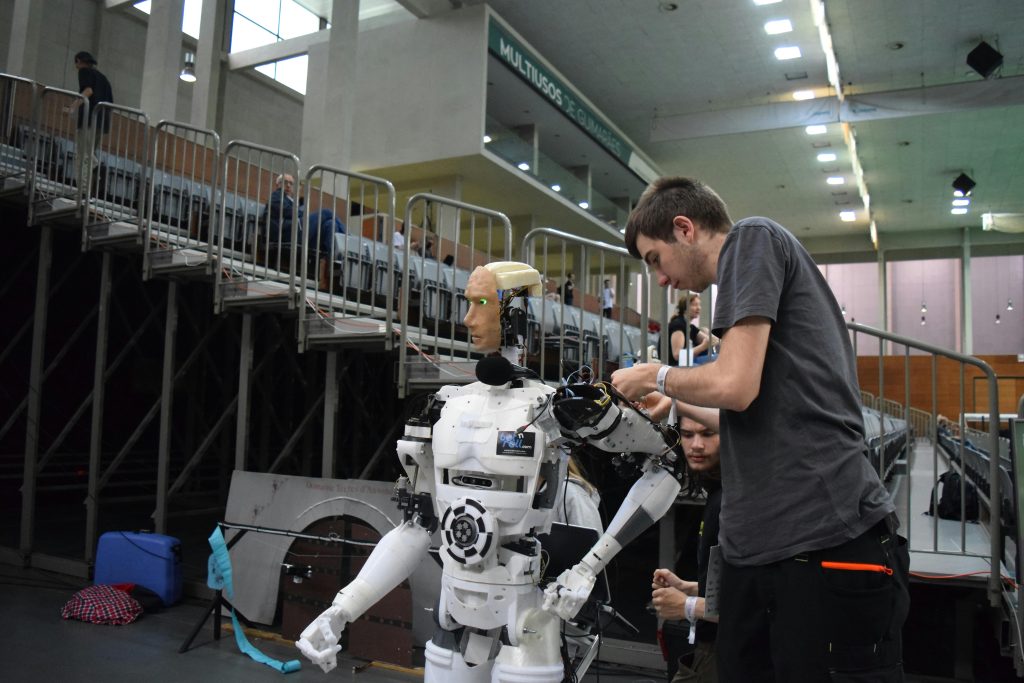
    Diagram of a man fixing the machine Feature
    Photo by Rui Dias: https://www.pexels.com/photo/men-fixing-the-robot-12499181/

    INTRODUCTION

    Artificial Intelligence (AI) and Machine Learning (ML) are rapidly transforming the landscape of numerous industries, driving innovation and efficiency. From self-driving cars to personalized recommendations, the applications of AI and ML are vast and growing. For those looking to start a career in this exciting field, the journey can seem daunting. However, with the right approach and resources, anyone can break into AI and ML. This article will provide a comprehensive guide on how to start a career in AI and ML, covering essential topics such as educational requirements, skills development, practical experience, networking, and job hunting.

    Understanding the Basics of AI and ML

    Before diving into the steps to start a career in AI and ML, it’s important to understand what these fields entail.

    Artificial Intelligence is a broad field that aims to create machines capable of performing tasks that typically require human intelligence. These tasks include learning, reasoning, problem-solving, perception, and language understanding. AI can be classified into narrow AI (specialized in a specific task) and general AI (possessing human-like cognitive abilities).

    Machine Learning is a subset of AI that focuses on developing algorithms that enable machines to learn from data and improve their performance over time. ML techniques can be categorized into supervised learning, unsupervised learning, and reinforcement learning.

    Educational Pathways

    A strong educational foundation is crucial for a career in AI and ML. Here are the key steps to acquiring the necessary knowledge:

    1. Formal Education

    Undergraduate Degree: Most professionals in AI and ML have a background in computer science, engineering, mathematics, or a related field. An undergraduate degree provides a solid foundation in programming, algorithms, data structures, and mathematics, which are essential for understanding AI and ML concepts.

    Graduate Degree: While not always necessary, a master’s or Ph.D. can significantly enhance your knowledge and job prospects. Many universities offer specialized programs in AI, ML, data science, and related fields. Graduate programs typically provide more in-depth theoretical knowledge and research opportunities.

    2. Online Courses and Certifications

    Numerous online platforms offer courses and certifications in AI and ML. Some popular platforms include Coursera, edX, Udacity, and Khan Academy. These courses are often designed by experts from top universities and industry leaders. Notable courses include:

    • Machine Learning by Andrew Ng (Coursera): This course covers the fundamentals of machine learning and is highly recommended for beginners.

    • Deep Learning Specialization (Coursera): Also by Andrew Ng, this series of courses dives deeper into neural networks and deep learning.

    • AI for Everyone (Coursera): A non-technical course that provides an overview of AI, suitable for those wanting to understand the broader implications of AI in business and society.

    • Data Science MicroMasters (edX): Offered by universities like MIT, this series of courses provides a comprehensive understanding of data science and machine learning.

    Essential Skills for AI and ML

    Acquiring the right skills is crucial for a successful career in AI and ML. Here are some key areas to focus on:

    1. Programming Skills

    Proficiency in programming languages is essential for developing and implementing AI and ML algorithms. Some of the most commonly used languages in the field are:

    • Python: Widely used due to its simplicity and extensive libraries (e.g., TensorFlow, Keras, PyTorch, Scikit-learn).

    • R: Popular in statistical computing and data analysis.

    • Java: Often used for large-scale applications.

    • C++: Known for its performance, used in resource-constrained environments.

    2. Mathematics and Statistics

    A strong understanding of mathematics and statistics is crucial for developing and understanding ML algorithms. Key areas include:

    • Linear Algebra: Essential for understanding how algorithms work, particularly in deep learning.

    • Calculus: Used to understand the optimization of algorithms.

    • Probability and Statistics: Critical for making inferences from data and understanding statistical models.

    3. Data Handling and Processing

    The ability to work with data is a fundamental skill in AI and ML. This includes:

    • Data Preprocessing: Cleaning and preparing data for analysis.

    • Exploratory Data Analysis (EDA): Understanding data patterns and relationships.

    • Data Visualization: Using tools like Matplotlib, Seaborn, or Tableau to create visual representations of data.

    4. Machine Learning Algorithms

    Understanding various ML algorithms and their applications is essential. Key algorithms to learn include:

    • Regression Algorithms: Linear regression, logistic regression.

    • Classification Algorithms: Decision trees, random forests, support vector machines (SVM), k-nearest neighbors (KNN).

    • Clustering Algorithms: K-means, hierarchical clustering.

    • Dimensionality Reduction: Principal Component Analysis (PCA), t-Distributed Stochastic Neighbor Embedding (t-SNE).

    5. Deep Learning

    Deep learning, a subset of ML, focuses on neural networks with many layers (deep neural networks). Important concepts and tools include:

    • Neural Networks: Understanding the architecture and functioning of neural networks.

    • Convolutional Neural Networks (CNNs): Used for image processing tasks.

    • Recurrent Neural Networks (RNNs): Used for sequential data like time series or natural language.

    • Frameworks: TensorFlow, Keras, PyTorch.

    Gaining Practical Experience

    Practical experience is essential to reinforce your knowledge and demonstrate your skills to potential employers. Here are some ways to gain hands-on experience:

    1. Projects

    Working on projects is one of the best ways to apply your knowledge. Start with small projects and gradually take on more complex ones. Examples of projects include:

    • Predictive Modeling: Building models to predict outcomes based on historical data.

    • Natural Language Processing (NLP): Developing applications like sentiment analysis, text classification, or chatbots.

    • Computer Vision: Creating systems for image recognition or object detection.

    • Reinforcement Learning: Developing agents that learn to make decisions by interacting with an environment.

    2. Internships

    Internships provide valuable real-world experience and the opportunity to work with experienced professionals. Look for internships at tech companies, research institutions, or startups focusing on AI and ML.

    3. Competitions

    Participating in competitions can sharpen your skills and expose you to new challenges. Platforms like Kaggle host data science and ML competitions where you can work on real-world problems, compete with others, and learn from the community.

    4. Open Source Contributions

    Contributing to open-source projects can help you gain experience, collaborate with others, and build a portfolio. Platforms like GitHub host many AI and ML projects that welcome contributions from newcomers.

    Networking and Community Involvement

    Building a professional network and getting involved in the AI and ML community can open doors to opportunities and provide valuable support. Here are some ways to connect with others in the field:

    1. Attend Conferences and Meetups

    Conferences and meetups are great places to learn about the latest developments, meet industry professionals, and build connections. Some notable AI and ML conferences include:

    • NeurIPS (Neural Information Processing Systems): One of the largest and most prestigious AI conferences.

    • ICML (International Conference on Machine Learning): Focuses on machine learning research.

    • CVPR (Conference on Computer Vision and Pattern Recognition): Specializes in computer vision.

    Meetup.com also hosts many local AI and ML meetups where you can connect with like-minded individuals.

    2. Join Online Communities

    Online communities provide a platform to ask questions, share knowledge, and collaborate on projects. Some popular communities include:

    • Reddit (r/MachineLearning, r/datascience): Subreddits dedicated to AI, ML, and data science.

    • Stack Overflow: A Q&A platform where you can ask technical questions and help others.

    • Kaggle: Apart from competitions, Kaggle has a vibrant community where users share datasets, notebooks, and discuss various topics.

    3. Social Media and Blogging

    Following industry leaders on social media platforms like Twitter and LinkedIn can keep you updated on the latest trends and opportunities. Blogging about your projects and learning experiences can also help you build a personal brand and showcase your expertise.

    Job Hunting and Career Advancement

    Once you have acquired the necessary skills and experience, the next step is to land a job in AI and ML. Here are some tips for job hunting and career advancement:

    1. Build a Strong Portfolio

    A well-documented portfolio showcasing your projects, contributions, and achievements can significantly enhance your job prospects. Include detailed explanations of your projects, the problems you solved, the approaches you used, and the results you achieved.

    2. Tailor Your Resume and Cover Letter

    Highlight your relevant skills, experience, and projects in your resume and cover letter. Tailor them to the specific job you are applying for, emphasizing how your background aligns with the job requirements.

    3. Prepare for Interviews

    Technical interviews for AI and ML positions often involve coding challenges, algorithm questions, and discussions about your projects. Practice coding problems on platforms like LeetCode and HackerRank, and be prepared to explain your thought process and solutions.

    4. Stay Updated and Keep Learning

    The field of AI and ML is rapidly evolving, with new techniques and tools emerging regularly. Continuously learning and staying updated with the latest developments is crucial for career advancement. Follow research papers, blogs, and news in the field, and consider pursuing advanced certifications or courses.

    5. Seek Mentorship

    Having a mentor with experience in AI and ML can provide valuable guidance and support. A mentor can help you navigate challenges, provide feedback on your work, and offer career advice.

    Understanding Different Roles in AI and ML

    The field of AI and ML is broad, encompassing various roles with different focus areas. Understanding these roles can help you identify which path aligns with your interests and strengths. Some common roles include:

    1. Data Scientist

    Data scientists analyze and interpret complex data to help organizations make informed decisions. They use statistical techniques, machine learning, and data visualization to uncover insights from data.

    2. Machine Learning Engineer

    Machine learning engineers focus on designing, building, and deploying machine learning models. They work closely with data scientists to implement algorithms and ensure that models are production-ready.

    3. Research Scientist

    Research scientists in AI and ML conduct cutting-edge research to develop new algorithms and techniques. They typically work in academia, research labs, or at companies investing in AI research.

    4. AI Specialist

    AI specialists apply AI techniques to solve specific problems within a domain, such as natural language processing, computer vision, or robotics. They develop specialized models and systems tailored to particular applications.

    5. Data Engineer

    Data engineers build and maintain the infrastructure required for data collection, storage, and processing. They ensure that data pipelines are efficient, scalable, and reliable.

    Specializing in a Subfield

    AI and ML encompass various subfields, each with unique challenges and opportunities. Specializing in a particular subfield can help you become an expert and differentiate yourself in the job market. Some popular subfields include:

    1. Natural Language Processing (NLP)

    NLP focuses on enabling machines to understand and process human language. Applications include chatbots, sentiment analysis, language translation, and text summarization.

    2. Computer Vision

    Computer vision aims to enable machines to interpret and understand visual information. Applications include image recognition, object detection, facial recognition, and autonomous vehicles.

    3. Reinforcement Learning

    Reinforcement learning involves training agents to make decisions by rewarding desired behaviors. It is widely used in robotics, game playing, and optimization problems.

    4. Deep Learning

    Deep learning focuses on neural networks with many layers, known as deep neural networks. It is particularly effective in tasks involving large amounts of data, such as image and speech recognition.

    Developing Soft Skills

    In addition to technical skills, developing soft skills is essential for a successful career in AI and ML. These skills can help you collaborate effectively, communicate your ideas, and advance in your career. Important soft skills include:

    1. Problem-Solving

    AI and ML professionals often tackle complex and ambiguous problems. Strong problem-solving skills enable you to approach challenges systematically and develop effective solutions.

    2. Communication

    Effective communication skills are crucial for explaining complex concepts to non-technical stakeholders, writing clear documentation, and collaborating with team members.

    3. Teamwork

    AI and ML projects often involve working in multidisciplinary teams. Being a good team player helps you collaborate effectively, share knowledge, and contribute to collective success.

    4. Adaptability

    The field of AI and ML is constantly evolving. Being adaptable and open to learning new techniques and tools is essential for staying relevant and advancing in your career.

    Ethical Considerations in AI and ML

    As AI and ML technologies become more pervasive, ethical considerations are increasingly important. Being aware of these issues and striving to develop responsible AI systems is crucial for a sustainable career. Key ethical considerations include:

    1. Bias and Fairness

    AI systems can inadvertently perpetuate or amplify biases present in training data. Ensuring fairness and minimizing bias in AI models is essential for creating equitable systems.

    2. Privacy and Security

    AI systems often rely on large amounts of data, raising concerns about privacy and security. Implementing robust data protection measures and respecting user privacy is critical.

    3. Transparency and Explainability

    AI models can be complex and difficult to interpret. Striving for transparency and developing explainable AI systems helps build trust and ensures accountability.

    4. Social Impact

    AI and ML technologies can have significant social impacts, both positive and negative. Being mindful of the broader implications of your work and striving to create positive social outcomes is important.

    Leveraging AI and ML Tools and Platforms

    Numerous tools and platforms are available to aid in AI and ML development. Familiarizing yourself with these tools can enhance your productivity and enable you to tackle more complex projects. Some popular tools and platforms include:

    1. Cloud Platforms

    Cloud platforms like Amazon Web Services (AWS), Google Cloud Platform (GCP), and Microsoft Azure offer scalable infrastructure and services for AI and ML development. They provide tools for data storage, model training, deployment, and monitoring.

    2. Integrated Development Environments (IDEs)

    IDEs like Jupyter Notebook, PyCharm, and Visual Studio Code provide a user-friendly environment for writing and testing code. They often include features for debugging, version control, and collaboration.

    3. Machine Learning Libraries

    Libraries like TensorFlow, PyTorch, and Scikit-learn provide pre-built functions and tools for developing machine learning models. These libraries can significantly speed up the development process.

    4. Data Visualization Tools

    Tools like Matplotlib, Seaborn, and Tableau enable you to create visual representations of data, helping you uncover insights and communicate results effectively.

    Building a Personal Brand

    Establishing a personal brand can help you stand out in the competitive field of AI and ML. Here are some strategies to build your personal brand:

    1. Create a Portfolio Website

    A portfolio website showcases your projects, skills, and experience. It serves as a central hub for potential employers or collaborators to learn more about you.

    2. Publish Articles and Tutorials

    Writing articles and tutorials on platforms like Medium, Towards Data Science, or your blog can demonstrate your expertise and contribute to the community.

    3. Present at Conferences and Meetups

    Presenting your work at conferences and meetups can help you gain visibility and recognition in the community. It also provides an opportunity to receive feedback and improve your work.

    4. Engage on Social Media

    Actively engaging on social media platforms like Twitter, LinkedIn, and GitHub can help you connect with other professionals, share your work, and stay updated with industry trends.

    Pursuing Advanced Certifications

    Advanced certifications can validate your skills and enhance your credentials. Many organizations offer certifications in AI and ML, which can be valuable for career advancement. Some notable certifications include:

    1. Google Professional Machine Learning Engineer

    This certification validates your ability to design, build, and deploy machine learning models on Google Cloud Platform.

    2. AWS Certified Machine Learning – Specialty

    This certification demonstrates your expertise in building, training, and deploying machine learning models on AWS.

    3. Microsoft Certified: Azure AI Engineer Associate

    This certification validates your skills in implementing AI solutions using Azure services.

    4. Data Science and Machine Learning Bootcamps

    Several bootcamps offer intensive, hands-on training in data science and machine learning. These programs often include career support and job placement assistance.

    Exploring AI and ML in Industry-Specific Applications

    AI and ML have diverse applications across various industries. Understanding how these technologies are used in different domains can help you identify niche areas and tailor your skills accordingly. Some industry-specific applications include:

    1. Healthcare

    AI is used in healthcare for tasks like medical imaging, drug discovery, and personalized treatment plans. Understanding healthcare data and regulations can be valuable for working in this domain.

    2. Finance

    In finance, AI and ML are applied in fraud detection, algorithmic trading, and risk assessment. Knowledge of financial markets and regulations can enhance your prospects in this field.

    3. Retail

    AI is used in retail for personalized recommendations, inventory management, and demand forecasting. Understanding consumer behavior and supply chain dynamics can be beneficial.

    4. Automotive

    The automotive industry leverages AI for autonomous driving, predictive maintenance, and driver assistance systems. Knowledge of automotive engineering and safety standards is important for this domain.

    5. Entertainment

    AI and ML are used in entertainment for content recommendation, music and video analysis, and game development. Understanding user preferences and media trends can be advantageous.

    Engaging in Continuous Learning

    The field of AI and ML is dynamic and rapidly evolving. Engaging in continuous learning is crucial for staying relevant and advancing your career. Here are some strategies for continuous learning:

    1. Follow Research Papers

    Stay updated with the latest research by following publications like arXiv, Google Scholar, and AI conferences. Reading research papers can provide insights into cutting-edge developments and inspire new ideas.

    2. Take Advanced Courses

    Pursuing advanced courses and certifications can deepen your knowledge and skills. Platforms like Coursera, edX, and Udacity offer specialized courses on advanced topics.

    3. Participate in Workshops and Webinars

    Workshops and webinars provide opportunities to learn from experts and gain hands-on experience with new tools and techniques. Look for events hosted by universities, industry organizations, and online platforms.

    4. Join Study Groups

    Joining study groups can help you stay motivated and learn collaboratively. Platforms like Meetup and LinkedIn have groups dedicated to AI and ML learning.

    Engaging in Research and Innovation

    1. Publish Research Papers

    Publishing your work in reputable journals and conferences can significantly boost your credibility and visibility in the AI and ML community. It also contributes to the broader body of knowledge in the field.

    2. Collaborate with Academic Institutions

    Collaborating with universities and research institutions can provide access to cutting-edge research, resources, and expert mentorship. Many institutions welcome industry partnerships and collaboration.

    Understanding the Business Side of AI and ML

    1. Business Acumen

    Understanding the business implications of AI and ML can make you more valuable to employers. This includes knowledge of how AI can drive business value, cost-benefit analysis, and return on investment (ROI).

    2. Product Management

    AI and ML professionals who can bridge the gap between technical teams and business stakeholders are highly sought after. Skills in product management, including defining requirements, roadmapping, and user experience (UX), are valuable.

    Building a Strong Foundation in Software Engineering

    AI and ML are closely tied to software engineering. Building a strong foundation in software engineering practices can enhance your ability to develop robust and scalable solutions.

    1. Software Development Life Cycle (SDLC)

    Understanding the software development life cycle, including requirements gathering, design, implementation, testing, and maintenance, is crucial for developing production-ready AI systems.

    2. Version Control

    Proficiency in version control systems like Git is essential for collaborating on projects, tracking changes, and managing codebases.

    3. DevOps and MLOps

    Knowledge of DevOps practices, including continuous integration/continuous deployment (CI/CD), and MLOps (machine learning operations) can help you streamline the deployment and management of ML models in production.

    Exploring the Ethical and Societal Implications of AI

    1. AI Ethics Frameworks

    Familiarize yourself with AI ethics frameworks and guidelines from organizations like IEEE, the Partnership on AI, and the European Commission. These frameworks provide principles for responsible AI development.

    2. Social Responsibility

    Consider the broader societal impact of your work. This includes understanding issues like job displacement, privacy concerns, and the potential for AI to exacerbate social inequalities.

    Enhancing Your Problem-Solving Skills with Real-World Applications

    1. Case Studies

    Study real-world case studies of successful AI and ML implementations. Analyzing these cases can provide insights into best practices, common challenges, and innovative solutions.

    2. Industry Projects

    Work on industry-specific projects that address real-world problems. This experience can make you more attractive to employers and help you develop practical skills.

    Staying Ahead with Emerging Technologies and Trends

    1. Quantum Computing

    Quantum computing has the potential to revolutionize AI and ML by enabling the processing of vast amounts of data at unprecedented speeds. Stay informed about developments in this emerging field.

    2. Edge AI

    Edge AI involves running AI algorithms on edge devices like smartphones, IoT devices, and drones. This technology is becoming increasingly important for applications requiring low latency and real-time processing.

    3. Explainable AI (XAI)

    Explainable AI focuses on making AI systems more transparent and understandable. Understanding XAI techniques can help you build trust with stakeholders and comply with regulatory requirements.

    Building a Global Perspective

    1. International Conferences and Workshops

    Attend international conferences and workshops to gain a global perspective on AI and ML. This exposure can provide insights into how different regions are leveraging AI and highlight global trends.

    2. Cross-Cultural Collaboration

    Engage in cross-cultural collaboration to broaden your understanding and approach to AI and ML. Working with diverse teams can lead to innovative solutions and foster a more inclusive AI community.

    Navigating the Legal and Regulatory Landscape

    1. Data Protection Laws

    Familiarize yourself with data protection laws and regulations, such as GDPR in Europe and CCPA in California. Compliance with these regulations is critical for responsible AI development.

    2. AI-Specific Legislation

    Stay updated on AI-specific legislation and policies being developed by governments worldwide. Understanding these regulations can help you navigate legal challenges and ensure your work aligns with regulatory standards.

    Leveraging AI and ML in Interdisciplinary Fields

    1. AI in Environmental Science

    AI is increasingly being used to tackle environmental challenges, such as climate change, wildlife conservation, and resource management. Understanding applications in this field can open new career opportunities.

    2. AI in Education

    AI is transforming education through personalized learning, intelligent tutoring systems, and administrative automation. Explore how AI can enhance educational outcomes and improve learning experiences.

    Cultivating a Growth Mindset

    1. Embrace Lifelong Learning

    The field of AI and ML is constantly evolving. Cultivating a growth mindset and embracing lifelong learning will help you stay adaptable and continuously improve your skills.

    2. Learn from Failures

    Failures and setbacks are part of the learning process. Analyze your mistakes, learn from them, and use them as opportunities for growth and improvement.

    Conclusion

    Starting a career in AI and Machine Learning is a multifaceted journey that requires a combination of education, skill development, practical experience, networking, and continuous learning. By understanding different roles, specializing in a subfield, developing soft skills, considering ethical implications, leveraging tools and platforms, building a personal brand, pursuing certifications, exploring industry-specific applications, and engaging in continuous learning, you can position yourself for success in this dynamic and rewarding field. The opportunities in AI and ML are immense, and with dedication and persistence, you can make a significant impact and achieve a fulfilling career.


  • Biotechnology and AI: A New Frontier in Health and Medicine

    Biotechnology and AI: A New Frontier in Health and Medicine

    Biotechnology and AI: A New Frontier in Health and Medicine

    Introduction

    Biotechnology and artificial intelligence (AI) represent two of the most transformative forces in the modern era, each driving profound changes in their respective fields. Biotechnology leverages biological systems, organisms, and cellular processes to develop technologies and products that improve health, agriculture, and environmental sustainability. On the other hand, AI involves the development of algorithms and systems that can perform tasks typically requiring human intelligence, such as pattern recognition, decision-making, and learning.

    The intersection of biotechnology and AI is creating a new frontier in health and medicine. By integrating AI’s data-processing capabilities with biotechnological innovations, researchers and clinicians can achieve unprecedented advancements in disease diagnosis, treatment, and prevention. This convergence is poised to revolutionize healthcare delivery, offering personalized and precision medicine solutions that cater to the unique genetic makeup and health profiles of individuals.

    This article delves into the various facets of this burgeoning field, exploring how AI is enhancing biotechnological applications and transforming health and medicine. We will examine key areas such as drug discovery, genomics, personalized medicine, medical imaging, and diagnostics, as well as the ethical, regulatory, and societal implications of these advancements.

    The Evolution of Biotechnology and AI

    Biotechnology: A Brief History

    Biotechnology’s roots can be traced back thousands of years, with early humans engaging in rudimentary forms of genetic selection and fermentation to enhance food production. However, modern biotechnology began to take shape in the 20th century with the discovery of DNA’s structure and the development of recombinant DNA technology.

    Key milestones in biotechnology include:

    – 1953: James Watson and Francis Crick’s discovery of the double-helix structure of DNA.

    – 1973: Herbert Boyer and Stanley Cohen’s creation of the first recombinant DNA molecule.

    – 1982: Approval of the first biotech drug, recombinant human insulin, by the FDA.

    – 2003: Completion of the Human Genome Project, mapping all human genes.

    These breakthroughs paved the way for numerous biotechnological applications in medicine, agriculture, and industry.

    AI: From Concept to Reality

    The concept of AI dates back to ancient myths and speculative fiction, but its formal development began in the mid-20th century. The term “artificial intelligence” was coined by John McCarthy in 1956 during the Dartmouth Conference, marking the official birth of AI as a field of study.

    Significant milestones in AI include:

    – 1950s-1960s: Development of early AI programs such as the Logic Theorist and ELIZA.

    – 1980s: Emergence of machine learning techniques and expert systems.

    – 1990s: Advances in neural networks and the advent of big data.

    – 2010s: Breakthroughs in deep learning, leading to AI systems capable of surpassing human performance in specific tasks (e.g., AlphaGo defeating the world champion in Go).

    These developments have enabled AI to evolve from theoretical constructs to practical tools with applications across various domains, including healthcare.

    The Synergy of Biotechnology and AI

    AI-Powered Drug Discovery

    The traditional drug discovery process is lengthy, costly, and fraught with high failure rates. AI is revolutionizing this process by accelerating the identification of potential drug candidates and predicting their efficacy and safety profiles. Machine learning algorithms analyze vast datasets from biological experiments, clinical trials, and scientific literature to identify patterns and correlations that might elude human researchers.

    Key Innovations:

    1. Target Identification: AI helps identify new biological targets for therapeutic intervention by analyzing genomic, proteomic, and metabolomic data.

    2. Molecule Design: AI-driven generative models can design novel drug molecules with desired properties, optimizing their efficacy and reducing side effects.

    3. Predictive Analytics: Machine learning models predict the outcomes of clinical trials, guiding the selection of promising drug candidates for further development.

     Genomics and Precision Medicine

    Genomics, the study of an organism’s complete set of DNA, has been revolutionized by high-throughput sequencing technologies. AI plays a critical role in interpreting the vast amounts of genomic data generated, enabling the identification of genetic variations associated with diseases.

    Key Innovations:

    1. Genome Sequencing: AI algorithms enhance the accuracy and speed of genome sequencing, making it more accessible for clinical use.

    2. Variant Interpretation: Machine learning models classify genetic variants based on their potential impact on health, aiding in the diagnosis of genetic disorders.

    3. Personalized Treatment AI integrates genomic data with clinical and environmental factors to develop personalized treatment plans, optimizing therapeutic outcomes for individual patients.

    Medical Imaging and Diagnostics

    Medical imaging is a cornerstone of modern diagnostics, providing critical insights into a wide range of conditions. AI enhances the accuracy and efficiency of medical imaging by automating the analysis of radiographs, MRIs, CT scans, and other imaging modalities.

    Key Innovations:

    1. Image Analysis: AI algorithms detect and quantify abnormalities in medical images, assisting radiologists in diagnosing conditions such as cancer, cardiovascular diseases, and neurological disorders.

    2. Early Detection: Machine learning models identify subtle changes in imaging data that may indicate the early stages of disease, enabling timely intervention.

    3. Workflow Optimization: AI streamlines the imaging workflow, reducing the time required for image acquisition, processing, and interpretation.

    AI in Clinical Decision Support

    Clinical decision support systems (CDSS) integrate AI to provide healthcare professionals with evidence-based recommendations at the point of care. These systems analyze patient data and medical literature to assist in diagnosis, treatment planning, and prognosis prediction.

    Key Innovations:

    1. Diagnosis Assistance: AI-driven CDSS help clinicians diagnose complex cases by suggesting potential diagnoses based on patient symptoms, medical history, and diagnostic test results.

    2. Treatment Optimization: Machine learning models recommend personalized treatment plans, considering factors such as patient genetics, comorbidities, and medication interactions.

    3. Outcome Prediction: Predictive analytics models forecast patient outcomes, guiding clinical decision-making and resource allocation.

    Ethical, Regulatory, and Societal Implications

    The integration of AI and biotechnology in healthcare raises important ethical, regulatory, and societal considerations. Ensuring the responsible development and deployment of these technologies is crucial to maximizing their benefits while mitigating potential risks.

    Key Considerations:

    1. Data Privacy: Safeguarding patient data and ensuring compliance with privacy regulations such as GDPR and HIPAA.

    2. Bias and Fairness: Addressing biases in AI algorithms to prevent disparities in healthcare outcomes.

    3. Regulatory Oversight: Developing robust regulatory frameworks to ensure the safety and efficacy of AI-powered medical devices and therapies.

    4. Public Trust: Building public trust through transparency, education, and engagement regarding the benefits and limitations of AI and biotechnology in healthcare.

    Conclusion

    The convergence of biotechnology and AI is ushering in a new era in health and medicine, characterized by unprecedented advancements in disease diagnosis, treatment, and prevention. By harnessing the power of AI to analyze vast datasets and uncover hidden patterns, researchers and clinicians can develop personalized and precision medicine solutions that improve patient outcomes and reduce healthcare costs.

    As this field continues to evolve, it is essential to address the ethical, regulatory, and societal implications of these technologies to ensure their responsible and equitable use. By doing so, we can unlock the full potential of biotechnology and AI, transforming healthcare for the better and paving the way for a healthier future.

    Detailed Exploration of AI and Biotechnology Integration

    AI-Powered Drug Discovery: Revolutionizing Pharmacology

    The drug discovery process traditionally involves a series of complex and costly steps, including target identification, lead compound discovery, preclinical testing, and clinical trials. This process often spans over a decade and costs billions of dollars, with a high rate of attrition. AI is transforming drug discovery by providing tools to expedite and optimize each stage of the process.

    Target Identification and Validation

    Target identification is the initial step in drug discovery, involving the identification of biological molecules (targets) whose modulation could have therapeutic effects. AI algorithms, particularly those leveraging machine learning and deep learning, can analyze vast biological datasets to identify potential targets associated with diseases. These datasets include genomic, proteomic, and transcriptomic data, as well as data from scientific literature and clinical trials.

    For example, AI can identify gene expression patterns associated with specific diseases, suggesting new targets for drug development. Furthermore, machine learning models can predict the biological relevance and druggability of these targets, prioritizing them for further investigation.

    Lead Compound Discovery and Optimization

    Once a target is identified, the next step is to discover and optimize lead compounds that can modulate the target’s activity. Traditional methods rely on high-throughput screening (HTS) of large compound libraries, a time-consuming and expensive process. AI-driven approaches, such as virtual screening and de novo drug design, are revolutionizing this stage.

    – Virtual Screening: AI algorithms can virtually screen millions of compounds to identify those most likely to bind to the target. These models use structure-based or ligand-based approaches, analyzing the target’s 3D structure or known ligands’ properties, respectively.

    – De Novo Drug Design: Generative models, such as variational autoencoders (VAEs) and generative adversarial networks (GANs), can design novel compounds with desired properties. These models learn the chemical space of bioactive molecules and generate new compounds that optimize efficacy, selectivity, and pharmacokinetic properties.

    Predictive Analytics in Preclinical and Clinical Trials

    AI’s predictive analytics capabilities are transforming the preclinical and clinical phases of drug development. Machine learning models can predict the pharmacokinetic and pharmacodynamic properties of drug candidates, identifying potential issues related to absorption, distribution, metabolism, excretion, and toxicity (ADMET).

    – Preclinical Testing: AI models analyze preclinical data to predict a compound’s safety and efficacy in humans, reducing the reliance on animal testing. This approach accelerates and refines the preclinical evaluation process, allowing for better-informed decisions on which candidates to advance to clinical trials.

    – Clinical Trial Optimization: AI can optimize clinical trial design and execution by predicting patient responses to treatments, identifying suitable candidates for enrollment, and monitoring patient adherence and outcomes. Machine learning models analyze patient data to identify biomarkers indicative of treatment efficacy and safety, guiding personalized treatment plans and improving trial success rates.

    Case Studies in AI-Powered Drug Discovery

    1. Insilico Medicine This AI-driven company utilizes generative adversarial networks (GANs) to design novel drug molecules. In 2019, Insilico Medicine announced the identification of potent inhibitors for a previously undruggable target, showcasing the potential of AI in de novo drug design.

    2. BenevolentAI: BenevolentAI uses machine learning to mine scientific literature and clinical data, uncovering new drug targets and repurposing existing drugs for new indications. During the COVID-19 pandemic, BenevolentAI identified baricitinib, a rheumatoid arthritis drug, as a potential treatment for COVID-19, which was later validated in clinical trials.

    Genomics and Precision Medicine: Tailoring Treatments to Individuals

    Genomics is the study of an organism’s entire genome, encompassing all its genes and their functions. The advent of high-throughput sequencing technologies, such as next-generation sequencing (NGS), has enabled comprehensive genomic analyses at unprecedented scales. AI is instrumental in interpreting the vast amounts of genomic data generated, facilitating advancements in precision medicine.

    AI in Genome Sequencing and Variant Interpretation

    – Genome Sequencing: AI enhances the accuracy and speed of genome sequencing by optimizing base calling and error correction algorithms. Deep learning models, for example, can improve the accuracy of identifying nucleotide sequences, reducing sequencing errors and increasing throughput.

    – **Variant Interpretation**: AI-driven tools classify genetic variants based on their potential impact on health. Machine learning models analyze large datasets of genetic and phenotypic information to predict the pathogenicity of variants, aiding in the diagnosis of genetic disorders.

    Personalized Treatment Plans

    AI integrates genomic data with clinical and environmental factors to develop personalized treatment plans, optimizing therapeutic outcomes for individual patients. This approach, known as precision medicine, tailors treatments to the unique genetic makeup and health profiles of individuals.

    – Oncology: AI models analyze tumor genomics to identify mutations driving cancer progression and predict responses to targeted therapies. Personalized treatment plans, including the selection of appropriate chemotherapies and immunotherapies, are developed based on the patient’s genetic profile.

    – Pharmacogenomics: AI predicts how patients will respond to specific drugs based on their genetic variations. This information guides the selection and dosing of medications, minimizing adverse effects and maximizing therapeutic efficacy.

    Case Studies in Genomics and Precision Medicine

    1. 23andMe: This direct-to-consumer genetic testing company uses AI to interpret genetic data and provide insights into ancestry, traits, and health risks. Their reports include information on genetic predispositions to various diseases, empowering individuals to make informed health decisions.

    2. Foundation Medicine: Foundation Medicine leverages AI to analyze genomic data from cancer patients, identifying actionable mutations and recommending targeted therapies. Their comprehensive genomic profiling tests, such as FoundationOne CDx, are widely used in clinical practice to guide personalized cancer treatment.

    Medical Imaging and Diagnostics: Enhancing Accuracy and Efficiency

    Medical imaging plays a crucial role in diagnosing and monitoring a wide range of conditions. AI is enhancing the accuracy and efficiency of medical imaging by automating the analysis of radiographs, MRIs, CT scans, and other imaging modalities.

    AI in Image Analysis and Early Detection

    – Image Analysis: AI algorithms, particularly convolutional neural networks (CNNs), excel in analyzing medical images. These models detect and quantify abnormalities, assisting radiologists in diagnosing conditions such as cancer, cardiovascular diseases, and neurological disorders.

    – Early Detection: AI identifies subtle changes in imaging data that may indicate the early stages of disease, enabling timely intervention. For example, AI algorithms can detect early signs of diabetic retinopathy in retinal images or small lung nodules in chest CT scans.

    Workflow Optimization

    AI streamlines the imaging workflow, reducing the time required for image acquisition, processing, and interpretation. Automated image segmentation and enhancement algorithms improve image quality, facilitating more accurate diagnoses. Additionally, AI-driven workflow management systems prioritize imaging tasks and allocate resources efficiently, improving overall productivity in radiology departments.

    Case Studies in Medical Imaging and Diagnostics

    1. IDx-DR: IDx-DR is an FDA-approved AI diagnostic system for detecting diabetic retinopathy in retinal images. The system autonomously analyzes images, providing a diagnostic decision without the need for a specialist, enhancing accessibility to early detection.

    2. Zebra Medical Vision: Zebra Medical Vision develops AI algorithms for analyzing various medical imaging modalities. Their AI solutions assist radiologists in detecting conditions such as liver disease, cardiovascular issues, and skeletal fractures, improving diagnostic accuracy and efficiency.

    AI in Clinical Decision Support: Empowering Healthcare Professionals

    Clinical decision support systems (CDSS) leverage AI to provide healthcare professionals with evidence-based recommendations at the point of care. These systems analyze patient data and medical literature to assist in diagnosis, treatment planning, and prognosis prediction.

    Diagnosis Assistance and Treatment Optimization

    – Diagnosis Assistance: AI-driven CDSS help clinicians diagnose complex cases by suggesting potential diagnoses based on patient symptoms, medical history, and diagnostic test results. These systems continuously learn from new data, improving their diagnostic accuracy over time.

    – Treatment Optimization: Machine learning models recommend personalized treatment plans, considering factors such as patient genetics, comorbidities, and medication interactions. AI integrates data from electronic health records (EHRs), clinical guidelines, and scientific literature to optimize treatment decisions.

    Outcome Prediction and Resource Allocation

    – Outcome Prediction: Predictive analytics models forecast patient outcomes, guiding clinical decision-making and resource allocation. For example, AI can predict the likelihood of disease progression, hospital readmission, or response to treatment, enabling proactive interventions.

    – Resource Allocation: AI optimizes resource allocation in healthcare settings by predicting patient demand and managing staff, equipment, and bed availability. This approach improves operational efficiency and reduces costs.

    Case Studies in Clinical Decision Support

    1. IBM Watson for Oncology: IBM Watson for Oncology uses AI to analyze patient data and recommend personalized cancer treatment plans. The system incorporates information from medical literature, clinical guidelines, and patient records, assisting oncologists in making evidence-based decisions.

    2. Mayo Clinic’s CDSS: Mayo Clinic has developed AI-driven CDSS that integrate with their EHR system, providing clinicians with real-time decision support. These systems assist in diagnosing conditions, recommending treatments, and predicting patient outcomes, enhancing the quality of care.

    Ethical, Regulatory, and Societal Implications

    The integration of AI and biotechnology in healthcare raises important ethical, regulatory, and societal considerations. Ensuring the responsible development and deployment of these technologies is crucial to maximizing their benefits while mitigating potential risks.

    Data Privacy and Security

    Protecting patient data privacy and security is paramount in the era of AI and biotechnology. Ensuring compliance with privacy regulations, such as the General Data Protection Regulation (GDPR) and the Health Insurance Portability and Accountability Act (HIPAA), is essential. Robust data encryption, anonymization, and access control measures must be implemented to safeguard sensitive health information.

    Addressing Bias and Fairness

    AI algorithms can inadvertently perpetuate biases present in the data they are trained on, leading to disparities in healthcare outcomes. Addressing these biases requires diverse and representative training datasets, rigorous validation, and ongoing monitoring of AI systems. Ensuring fairness and equity in AI-driven healthcare is essential to prevent exacerbating existing health disparities.

    Regulatory Oversight

    Developing robust regulatory frameworks is crucial to ensure the safety and efficacy of AI-powered medical devices and therapies. Regulatory agencies, such as the FDA, must adapt to the rapidly evolving landscape of AI and biotechnology, establishing clear guidelines for the development, validation, and deployment of these technologies.

    Building Public Trust

    Building public trust in AI and biotechnology is vital for their widespread adoption. Transparency in the development and deployment of these technologies, coupled with public education and engagement, is essential. Communicating the benefits, limitations, and ethical considerations of AI-driven healthcare will foster trust and acceptance among patients and healthcare providers.

    Future Directions and Emerging Trends

    The intersection of biotechnology and AI is a rapidly evolving field, with new innovations and applications emerging continually. Several trends and future directions hold the promise of further revolutionizing healthcare and medicine.

    AI-Driven Synthetic Biology

    Synthetic biology involves designing and constructing new biological parts, devices, and systems or re-designing existing biological systems for useful purposes. AI can accelerate advancements in synthetic biology by optimizing the design and construction of genetic circuits, metabolic pathways, and synthetic organisms.

    – Genetic Circuit Design: AI algorithms can design genetic circuits that control gene expression with high precision. These circuits can be used in various applications, including gene therapy, biosensors, and bio-manufacturing.

    – Metabolic Pathway Optimization: AI models optimize metabolic pathways to enhance the production of valuable compounds, such as biofuels, pharmaceuticals, and industrial chemicals, using engineered microorganisms.

    Integrative Multi-Omics

    Multi-omics integrates data from various ‘omics’ fields, such as genomics, proteomics, metabolomics, and transcriptomics, to provide a  comprehensive understanding of biological systems. AI plays a crucial role in analyzing and integrating multi-omics data, uncovering complex biological interactions and disease mechanisms.

    – Systems Biology: AI-driven systems biology approaches model and simulate biological systems, predicting the effects of genetic and environmental perturbations. These models can guide the development of targeted therapies and personalized treatment plans.

    – Biomarker Discovery: Machine learning algorithms analyze multi-omics data to identify biomarkers for disease diagnosis, prognosis, and treatment response. These biomarkers can facilitate early detection and monitoring of diseases.

    AI and CRISPR Technologies

    CRISPR (Clustered Regularly Interspaced Short Palindromic Repeats) is a revolutionary gene-editing technology that allows precise modifications to DNA sequences. AI enhances CRISPR technologies by optimizing guide RNA design, predicting off-target effects, and improving editing efficiency.

    – Guide RNA Design: AI models design guide RNAs with high specificity and efficiency, minimizing off-target effects. This improves the precision and safety of CRISPR-based gene editing.

    – Off-Target Prediction: Machine learning algorithms predict potential off-target sites for CRISPR edits, enabling researchers to select guide RNAs with minimal off-target activity.

    AI in Telemedicine and Remote Monitoring

    The COVID-19 pandemic accelerated the adoption of telemedicine and remote monitoring technologies. AI can enhance these technologies by providing real-time analysis and decision support for remote consultations and monitoring.

    – Virtual Health Assistants: AI-powered virtual health assistants can triage patients, provide medical advice, and monitor chronic conditions, reducing the burden on healthcare providers and improving patient access to care.

    – Remote Monitoring: AI analyzes data from wearable devices and remote monitoring systems to detect early signs of health issues, enabling timely interventions and personalized care.

    AI-Enhanced Drug Repurposing

    Drug repurposing involves finding new therapeutic uses for existing drugs, offering a faster and cost-effective approach to drug development. AI accelerates drug repurposing by identifying potential new indications based on existing drug data.

    – Data Mining: AI algorithms mine clinical data, scientific literature, and drug databases to identify potential new uses for approved drugs. This approach can uncover unexpected therapeutic effects and expedite the development of new treatments.

    – Predictive Modeling: Machine learning models predict the efficacy and safety of repurposed drugs for new indications, guiding clinical trials and regulatory approval processes.

    Conclusion

    The integration of biotechnology and AI is at the forefront of a new era in health and medicine. By leveraging AI’s data-processing capabilities and biotechnological innovations, researchers and clinicians can achieve unprecedented advancements in disease diagnosis, treatment, and prevention. As the field continues to evolve, it is essential to address the ethical, regulatory, and societal implications of these technologies to ensure their responsible and equitable use.

    Looking ahead, the future of biotechnology and AI in healthcare holds immense promise. Emerging trends such as AI-driven synthetic biology, integrative multi-omics, AI-enhanced CRISPR technologies, telemedicine, and drug repurposing are poised to further revolutionize healthcare delivery. By embracing these innovations and fostering interdisciplinary collaboration, we can unlock the full potential of biotechnology and AI, transforming healthcare for the better and paving the way for a healthier future.

  • AI In Everyday Life

    AI In Everyday Life

    Artificial intelligence is affecting every aspect of our lives and changing the way we work, play, and live. It has grown beyond just a concept in Science fiction. Let’s explore the ways in which artificial intelligence affects several aspects of our lives.

    Smart Homes

    Imagine that your house knows everything you want. There’s a place where the lighting turns on itself as soon as you walk in, the music begins as soon as you wake up, and the temperature is constant. Not a regular home, but an intelligent one!

    We term such properties as “smart homes”. They make use of artificial intelligence (AI) to interpret your habits and activities. They take care of everything, acting as staff assistance. For instance, your smart home system can play relaxing tunes and automatically dim the lights at night if you enjoy reading a book.

    But that’s just the beginning. Smart houses open up new possibilities! Even something as basic as turning on your Televison to your favorite channel or adjusting the temperature based on the weather and this is controlled by your appliances. Certainly smart homes even have security systems installed, including cameras that can detect intruders. Thus, even if they might seem unreal  right now, smart houses are becoming  more common.

    Photo by John Tekeridis: https://www.pexels.com/photo/round-grey-speaker-on-brown-board-1072851/

    Health and Fitness

    Technology is also changing how we take care of ourselves. It’s similar to having a very educated health coach and a workout companion in one! Imagine if you had an app that knew your body better than you do? With fitness trackers and health applications, Technology is accomplishing this. They constantly monitor your heart rate, sleep habits, and number of steps. It’s like always having a little scientist watching you!

    But AI is growing smarter; it’s not just about following. It is able to weigh all of that data and offer you advice. Do you require help with your weight loss? You might receive a customized meal plan from an AI. Do you want to put on weight? It can design the ideal routine of exercise for you. Additionally, meditation apps with AI support may be able to help you relax and de-stress if you’re feeling stressed.

    Fitness tracker with AI capability that shows real-time health statistics

    Photo by Andrea Piacquadio from Pexels: https://www.pexels.com/photo/young-female-athlete-training-alone-on-treadmill-in-modern-gym-3768916/

    Education

    The technology known as artificial intelligence is totally changing the way people learn! It’s like having a highly experienced tutor who knows how you study best. Think about a teacher who can change how fast they go of their lessons to meet your needs. They can move fast when you understand the material, gently when you are having trouble, and even give you more practice. That’s exactly what AI is doing! When learning is organized just for you, it becomes continually easier and more pleasant.

    Technology has advantages for educators as well. It can mark papers, make lesson plans, and even determine which kids need extra help. How much do you know? Additionally, scheduling lessons and recording attendance can be aided by artificial intelligence. It’s similar to having a very well-planned private  colleague! Thus, whether a teacher is attempting to keep 30 pupils in line or a student is trying to pass the math test, technology like AI is making life much easier and more fun for everyone!

    Students employing AI-driven learning resources for customized instruction

    Photo by Julia M Cameron: https://www.pexels.com/photo/photo-of-woman-tutoring-young-boy-4145354/

    Entertainment

    The entertainment industry has been seriously influenced by technology known as AI. for instance, to provide specific advice on streaming services like Netflix and Spotify. Based on their past viewing or listening choices, users can use these recommendations to locate new films, TV shows, and music. AI also helps to increase the creativity of effects in movies, making them closer to reality and of higher quality. Artificial Intelligence (AI) in video games allows non-player characters (NPCs) to act far more accurately and wisely, which enhances the user experience. It  also assists with scriptwriting and editing, allowing filmmakers to deliver better stories through analysis of trends and improved suggestions. Technology is generally raising the standard of entertainment.

    a gathering of individuals watching a movie in a dimly lit theater

    Photo by Tima Miroshnichenko: https://www.pexels.com/photo/people-watching-movie-inside-the-theater-7991139/

    Transportation

    Another Amazing  industry that a technology known as AI  has  a big impact on is transportation. Artificial intelligence (AI) is used by self-driving cars to increase road safety and driving efficiency. These cars use sensors and cameras to recognize obstacles, make decisions in real time, and read traffic signals. AI also helps with public transportation system management by determining the best routes and schedules based on passenger demand and traffic patterns. In logistics, artificial intelligence (AI) is used to forecast the most fuel-efficient delivery routes, resulting in shorter delivery times. Package distribution, especially in distant areas, is being handled by drones equipped with intelligent systems capabilities. When all is said and done, Technology  is expanding quickly, improving transportation effectiveness and safeguarding passengers.

    Transportation AI using a self-driving automobile across urban areas

    Photo by Andrea Piacquadio: https://www.pexels.com/photo/woman-in-brown-jacket-driving-car-3785391/

    Shopping

    AI is also changing the way we shop! It’s exactly like carrying around the most intelligent personal shopper in your pocket. Imagine having someone pick out the perfect clothing for you as soon as you walk into a store, saving you the trouble of idly browsing through the internet  to find what you’re looking for. That is the capability of AI!

    Online shopping has undergone drastic shifts thanks to AI. These days, websites are able to figure out your interests for  you and provide you stuff that you would find interesting. It’s like having a personal stylist who knows your style better than you do. Technology also assists shops in understanding what their clients wish to purchase so they can stock the right products. When you’re checking out, AI might also help you locate the best offers and even provide recommendations for other

    Personalized recommendations and AI-powered online buying experience

    Photo by Kevin Malik from Pexels: https://www.pexels.com/photo/a-woman-shopping-in-the-supermarket-9016541/

    Communication

    The communication sector  is  going through some exciting changes because of  artificial intelligence. Chatbots that can respond to routine inquiries and issues 24/7 are one way Technology is being used to Improve customer’s service. Communicating with these chatbots is more like speaking with a real person because they can understand  natural language. AI enables quick language translation as well as  improving international communication, it aslso enables social media data sets, it is also used to comprehend public opinion and trends. This enables more efficient audience response for businesses and groups. All things considered, artificial intelligence promotes clearer, faster, and more effective communication.

    Virtual assistants and translation apps can facilitate communication with AI.

    Photo by Tracy Le Blanc: https://www.pexels.com/photo/person-holding-iphone-showing-social-networks-folder-607812/

    Environmental Impact

    An important part of protecting the environment is being played by artificial intelligence. Data from sensors located in various places is checked by AI to keep an eye on the quality of the air and water. This aids scientists in monitoring pollution levels and detecting the origins of contamination. The Technology known as AI also helps with wildlife protection by counting animal populations and identifying illegal wildlife trade. This is done by analyzing photos from cameras in forests and oceans. Additionally, by studying weather data, AI aids in the prediction of natural disasters like floods and wildfires, enabling early warning systems and improved protection. All in all, artificial intelligence is a useful tool for keeping our environment  safe and preserving our planet.

    Visual representation of climate change data

    Photo by Sim Sam from Pexels: https://www.pexels.com/photo/clouds-over-a-river-in-autumn-21918870/

    Future Prospects

    Future developments across many fields are being greatly impacted by artificial intelligence (AI). Businesses may make more informed decisions about their investments and product selections by using artificial intelligence (AI) to forecast market trends. By interpreting huge amounts of data,  for example, forecasts consumer behavior and preferences, allowing companies to create goods that have a better chance of succeeding. Through the prediction of patient outcomes and the recommendation of certain treatments, artificial intelligence (AI) in healthcare improves patient care and efficiency. In education, artificial intelligence (AI) helps personalize teachings to each student, strengthening,  understanding and Student performance.

    Conclusion

    Our world is evolving more quickly than we can conceive thanks to AI! AI has an impact on nearly every aspect of our lives, including learning and gaming. It’s like having a really intelligent assistant who is always available to make life more enjoyable and easier. But always keep in mind that we should use AI responsibly and consider the potential effects on the environment and each other.

    With AI, the future is truly limitless. Robotic assistants, flying cars, and even illness treatments are all possible. We must, however, ensure that AI is applied responsibly. Let us continue investigating, gaining knowledge, and envisioning the incredible accomplishment that artificial intelligence is capable of! Let’s take control of the future and make it an awesome one.

    Stay informed, be open to new developments in AI, and consider how you could use this technology to your everyday life. Take part in the conversation on AI’s future and share your thoughts.